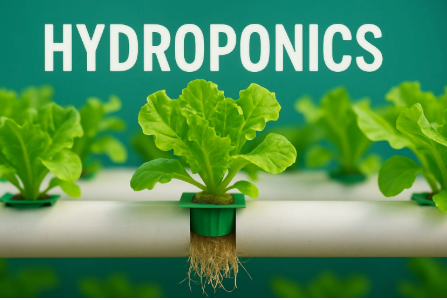
Lettuce, microgreens, and basil top the list. They grow fast, need minimal maintenance, and thrive in almost any hydroponic setup.
Starting with the wrong crop makes it hard to tell if your system is the problem or the plant is. The 11 plants below remove that guesswork.
Some, like microgreens, are ready to harvest in 7 to 16 days. Others, like peppers, take patience but reward you with months of produce.
Choosing the right system matters as much as choosing the right plant. More on that below.
NT Hydroponics provides beginner-friendly systems and growing guides designed to help home gardeners get started with confidence.
11 Easiest Hydroponic Plants at a Glance
Start with the right plants and you’ll harvest fresh food from your home faster than you thought possible.
Got a spare kitchen corner or a dedicated grow room? The plants on this list grow quickly, perform well across different systems, and produce food you’ll actually want to eat. No expert-level fine-tuning required. If you’re just getting started, this is your shortlist.
Hydroponics for Beginners: Getting Started
Hydroponics grows plants in a water-based, nutrient-rich solution instead of soil. The roots sit directly in the solution, absorbing nitrogen, phosphorus, potassium, and trace minerals. Without soil blocking nutrient absorption, plants take in what they need more efficiently. That’s why hydroponic plants often grow faster and yield more than soil-grown plants.
The concept is simple, even if the science behind it is complex. You don’t need to understand every chemical reaction at the root zone to grow great food. You need a reliable system, the right plants, and a basic understanding of what those plants need. NT Hydroponics offers beginner-friendly systems and easy-to-understand guidance for home growers.
Why Some Plants Thrive in Hydroponics and Others Don’t
| Type of Plant | Suitability | Reason |
|---|---|---|
| Leafy greens (lettuce, kale, spinach) | ✅ Excellent | Shallow roots, fast growth, low nutrient demand |
| Herbs (basil, chives, watercress) | ✅ Excellent | Small, adaptable, high yield in small spaces |
| Fruiting plants (tomatoes, cucumbers) | ⚠ Moderate | Need more support, light, and nutrient control |
| Root vegetables (carrots, potatoes) | ❌ Not for beginners | Need deep growing medium; hard to grow in water |
| Vining crops (melons, squash) | ❌ Not for beginners | Need lots of space and structural support |
Plants with shallow roots and low nutrient demands grow best in water. Leafy greens and herbs lead here because they skip the deep growing medium, handle small pH and nutrient shifts, and grow fast enough to let you correct mistakes without losing time.
Fruiting plants like tomatoes and cucumbers can absolutely grow in hydroponics, and they’re on this list. They do require more light, structural support, and a carefully balanced nutrient solution. For beginners, that means more variables to manage. They’re best tackled after a few successful harvests.
Root vegetables like carrots and potatoes aren’t suited for standard hydroponic systems. They need significant growing media depth to form properly, and checking on them means disturbing their growth. Start with this list first, then expand once you know your system.
Characteristics of Easy-to-Grow Hydroponic Plants
The easiest hydroponic plants share a few traits: rapid growth, tolerance for a pH range of 5.5 to 7.0, low light requirements, and no need for elaborate support structures. Plants that check all these boxes sit at the top of this list.
1. Microgreens: Fastest Hydroponic Crop
Microgreens are the quickest crop you can grow hydroponically. Depending on the variety, you go from seed to harvest in 7 to 16 days.
Microgreens are seedlings of vegetables and herbs, harvested just after the first true leaves appear. They’re flavorful and packed with nutrients. Popular types include sunflower, radish, pea shoots, and broccoli.
Because they’re harvested so early, they don’t require complex nutrient management, deep root zones, or high-powered lighting. A simple tray system and a basic grow light are all you need.
2. Lettuce: The Ideal First Hydroponic Crop
Lettuce is the perfect starter crop. It’s low-maintenance, grows quickly, and fits any hydroponic system, from basic Kratky jars to deep water culture setups. You can start picking outer leaves in about a month. Use a cut-and-come-again method and the plant keeps producing.
Top Hydroponic-Friendly Lettuce Varieties
Loose-leaf varieties are the simplest to grow because they don’t need to form a head. This means quicker harvests and a wider range of acceptable growing conditions.
Boston and Bibb butterhead types are also strong options. They produce soft, loose heads and tolerate temperature changes. Romaine grows well hydroponically too, though it takes a bit longer to mature.
Combining red and green varieties in the same system creates a vibrant display while maximizing your harvest space.
- Black Seeded Simpson – loose-leaf, fast-growing, ready in about 45 days
- Buttercrunch – mild flavor, heat-tolerant, ideal for indoor systems
- Red Sails – vibrant red, slow to bolt, great for warmer conditions
- Romaine (Parris Island) – crisp texture, slightly longer to grow, worth the wait
- Oak Leaf – delicate, fast, excellent for cut-and-come-again harvesting
Temperature and Light Conditions
Lettuce prefers cooler temperatures: 60°F to 70°F (15°C to 21°C). Temperatures above 75°F (24°C) can cause bolting, where the plant shifts energy toward seed production and the leaves turn bitter.
Under artificial lighting, lettuce needs about 14 to 16 hours of light per day. High-intensity LEDs aren’t necessary. A standard full-spectrum grow light positioned 6 to 12 inches above the canopy is plenty.
3. Basil: Ready to Harvest in 3 Weeks
Basil is one of the most satisfying hydroponic herbs. With the right conditions, you can start picking leaves three weeks after transplanting seedlings. A well-maintained basil plant produces for months.
The more you harvest basil, the more it grows. If you let it flower (bolt), the plant shifts focus to flowers and leaf flavor drops.
Basil loves warmth: 65°F to 85°F (18°C to 29°C). It prefers a slightly acidic pH around 5.5 to 6.5. It’s hungrier than most herbs, so keep your nutrient solution well balanced for strong, productive growth.
How to Promote Lush Basil Growth
Pinching is the best method. Once a stem reaches about 6 inches tall with at least three sets of leaves, pinch or snip just above the second set. This signals the plant to branch out instead of growing upward, creating a denser, bushier plant with far more harvestable leaves over time.
Top Hydroponic Systems for Basil
Basil thrives in deep water culture (DWC) and raft systems. These immerse roots in oxygen-rich, nutrient-dense water, which promotes strong growth. Raft systems, where plants float on a foam board above a nutrient tank, are popular for basil because they’re simple to operate and easy to scale.
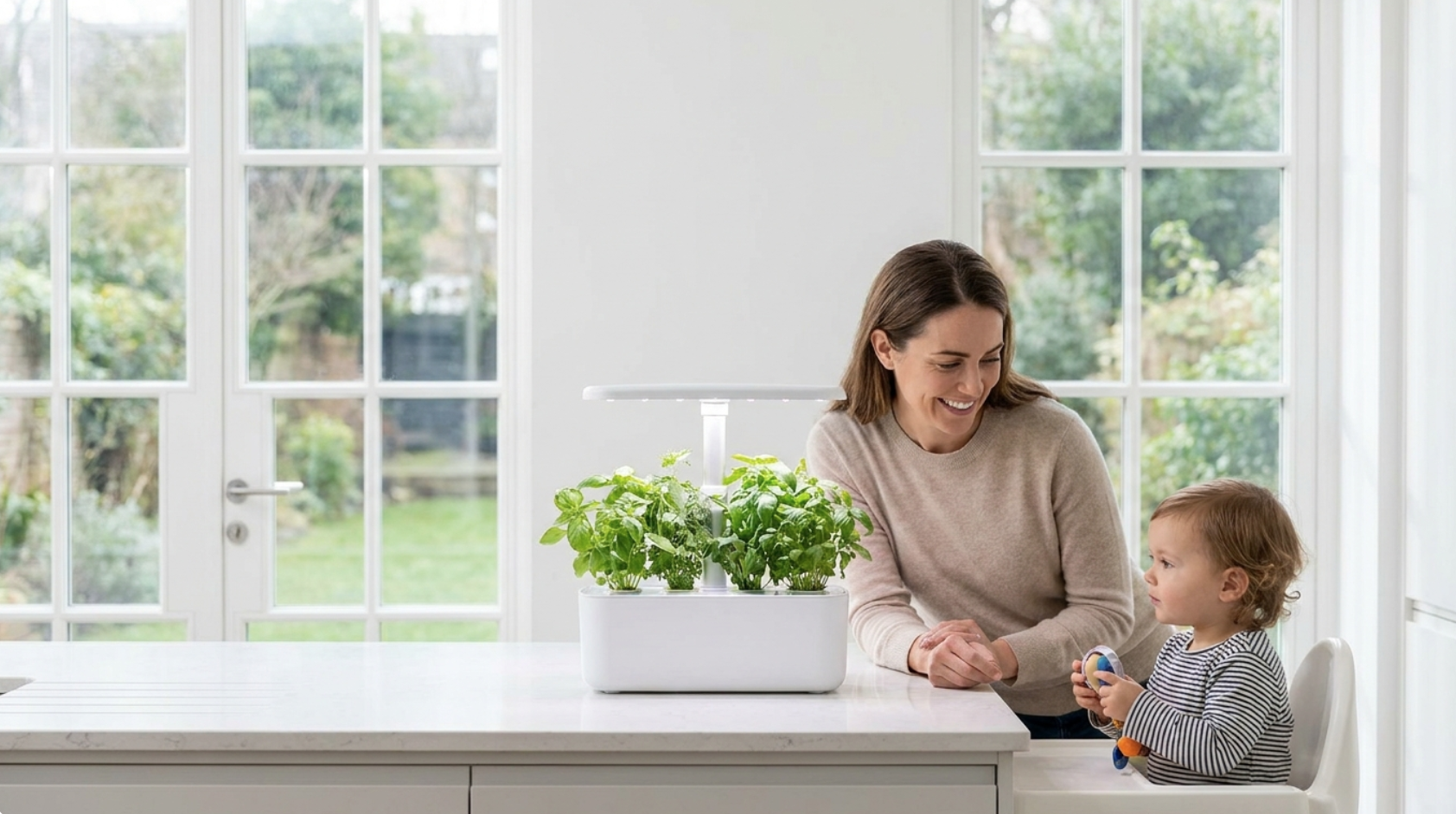
The NT Hydroponics Homie 28 Home Hydroponic Growing System is an excellent choice for small indoor setups. Its compact design fits on kitchen counters without sacrificing growing space.
4. Spinach: Quick to Grow, Packed with Nutrients
Most spinach varieties are ready to harvest within 6 to 10 weeks. It’s nutrient-dense, versatile in the kitchen, and easy to manage. Like lettuce, spinach benefits from cut-and-come-again harvesting: removing outer leaves regularly encourages new growth from the center.
Best Conditions for Hydroponic Spinach
Spinach thrives at 65°F to 75°F (18°C to 24°C) and prefers a pH of 6.0 to 7.0, a bit higher than most hydroponic crops. Give it 12 to 14 hours of full-spectrum light per day and keep the light close to prevent leggy, thin growth. It grows well indoors year-round.
5. Chives: The Gift That Keeps on Giving
Chives are a no-brainer for hydroponic gardening. Once established, they regrow after each harvest, making them a long-term investment with almost zero maintenance. Their mild onion flavor works in everything from scrambled eggs to soups. One planting provides fresh herbs for months.
Chives prefer a pH of 6.0 to 6.5, 12 to 14 hours of full-spectrum light daily, and tolerate temperatures as low as 60°F (15°C) without major growth slowdown. This makes them a dependable year-round crop regardless of indoor conditions.
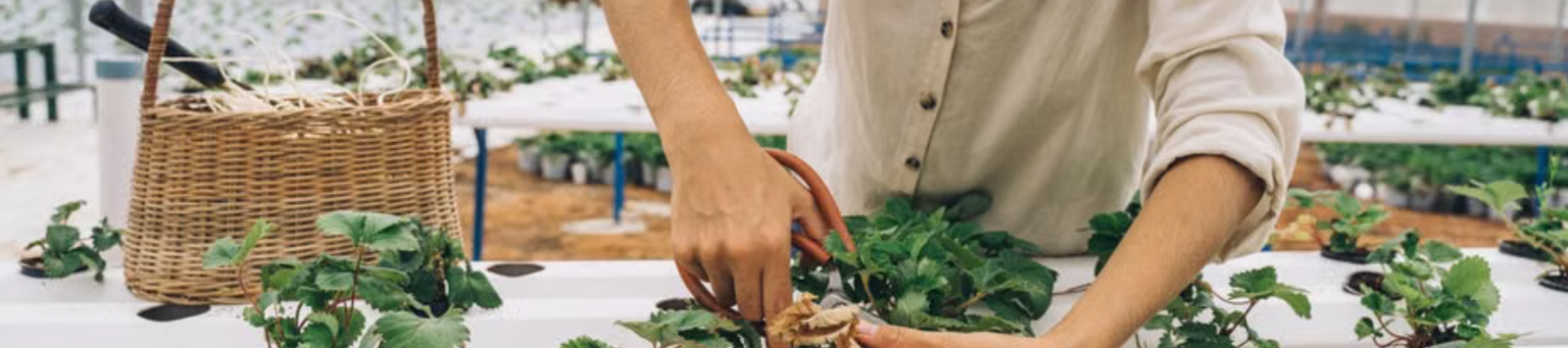
To harvest, cut the leaves about 2 inches above the base with clean scissors. The plant regrows in days. Don’t cut to the root zone; that 2-inch base is what keeps the plant alive. With this simple method, one planting of chives can outlast almost any other crop in your system.
6. Kale: Pluck Young or Wait for Full Growth
Kale is one of the most nutrient-rich plants you can grow hydroponically, and it’s easier than most beginners expect. It handles a variety of growing conditions and lets you choose your harvest style. Pick leaves young and soft for salads, or wait for full maturity for cooking. Either way, the plant keeps producing.
- Red Russian Kale – feather-like leaves, mild sweet taste, matures quickly
- Lacinato (Dinosaur) Kale – dark, wrinkled leaves, rich flavor, handles cooler temps
- Curly Kale – the supermarket standard, high-yield and very hardy
- Baby Kale – harvested young, extremely tender, perfect for systems with limited vertical space
Harvest from the outside in, leaving the central growing tip untouched. This lets the plant produce new leaves from the center while you eat the outer ones. This simple approach extends your total harvest significantly.
Kale reaches harvestable size within 5 to 8 weeks of transplanting. It grows well in NFT and deep water culture setups and doesn’t need a complex nutrient formula. Maintain pH between 5.5 and 6.5 and you should have few issues.
Cooler Temps? Kale Doesn’t Mind.
Most kale varieties prefer 60°F to 70°F (15°C to 21°C). Some, especially Lacinato and Red Russian, handle temperatures up to 82°F (28°C). A bit of cold stress actually improves flavor by converting starches to sugars, making leaves noticeably sweeter. If your indoor garden runs cool, kale is your friend.
7. Watercress: The Most Overlooked Hydroponic Crop
Watercress is one of the most underrated plants in hydroponic gardening. It’s semi-aquatic, naturally grows near streams and rivers, and is perfectly suited for hydroponic systems. It thrives in moist conditions, grows fast, and can be harvested many times across a long season. Its tangy, slightly bitter taste is great in salads and sandwiches, and it’s loaded with vitamins C, K, and A.
Watercress Production Timeline
| Stage | Duration | Instructions |
|---|---|---|
| Germination | 7 to 14 days | Keep seeds consistently moist; deep water not required |
| First harvest | 3 to 4 weeks post-transplant | Harvest stem tips to promote bushy growth |
| Continuous production | Up to 6 months | Harvest regularly to prevent bolting and maintain flavor |
| Decline/replacement | After 6 months | Replant to maintain supply |
Unlike many hydroponic crops with a defined harvest window, watercress produces continuously for up to six months with proper management. Harvest stem tips regularly, about 4 to 6 inches of new growth at a time. This prevents flowering, which turns leaves bitter and signals the end of productive growth.
Watercress thrives in cooler water temperatures: 50°F to 60°F (10°C to 15°C), though it grows in temps up to 70°F (21°C). It prefers a slightly alkaline pH of 6.5 to 7.5, higher than most hydroponic crops, so you may need to adjust your nutrient solution. It’s one of the few crops that actually prefers more water than most systems provide.
DWC systems work well because watercress loves cool, wet environments. Roots can sit directly in the nutrient solution with sufficient aeration, mimicking the streamside conditions it evolved in. Setup is straightforward and requires minimal management once running.
Watercress is the ideal next step if you’ve grown lettuce or spinach and want something more interesting without adding much complexity.
8. Cucumbers: Productive and Fast-Growing
Hydroponic cucumbers can be one of the most productive crops you grow. With plenty of light and warmth, plants start bearing fruit in 5 to 6 weeks. They need more care than leafy greens, especially structural support and light intensity, but the high yield makes the extra effort worthwhile.
Bush Cucumbers vs. Vining Cucumbers
Bush cucumbers are the best starting point. They’re compact, skip the complex trellis, and are easier to manage in smaller spaces. Varieties like Spacemaster and Bush Champion suit home hydroponic systems well. Vining cucumbers yield more fruit but need a sturdy vertical trellis and more overhead space, something to consider once you’re comfortable managing fruiting crops.
Light and Heat Requirements
Cucumbers love heat: 70°F to 85°F (21°C to 29°C). They need 16 to 18 hours of intense light daily to fruit properly. A high-quality full-spectrum LED grow light with enough wattage to cover the canopy is key. Too little light produces weak plants, poor flowering, and minimal fruit. Keep nutrient solution pH between 5.5 and 6.0 for best uptake.
9. Tomatoes: Worth the Wait
Tomatoes take more time than anything else on this list, but the payoff justifies the patience. The difference between a store-bought tomato and a hydroponically grown one is stark: the taste, texture, and freshness are in a different class. With the right setup and some patience, hydroponic tomatoes yield a plentiful, continuous crop from a small area.
Start with Determinate Varieties
Tomatoes fall into two growth patterns: determinate and indeterminate. Determinate varieties grow to a set size, bear fruit all at once, and stop. This predictability makes them easier for beginners. Roma, Patio, and Celebrity are compact, consistent, and ideal for home hydroponic growing.
Indeterminate varieties grow and produce indefinitely, which sounds appealing but means continuous pruning, staking, and nutrient management. Cherry tomatoes like Sweet 100 sit in between: technically indeterminate, but more manageable in size than large beefsteak types. They produce fruit earlier and in greater quantities for the space they use.
Best Hydroponic System for Tomatoes
Tomatoes thrive in DWC or drip systems where roots get consistent nutrients and oxygen. They need larger containers than leafy greens (minimum 5-gallon reservoir per plant) and strong structural support as stems get heavy with fruit. Keep pH between 5.5 and 6.5 and feed with a nutrient solution designed for fruiting crops, which has higher potassium and phosphorus than standard vegetative formulas.
- Start with determinate or cherry tomato varieties
- Use DWC with at least a 5-gallon reservoir per plant
- Invest in a high-intensity full-spectrum LED grow light; low light is the #1 reason hydroponic tomatoes fail
- Switch from a vegetative to a fruiting nutrient formula once flowering begins
- Provide a sturdy stake or trellis as fruit develops
10. Beans: Big Seeds, Quick Growth
Beans are an excellent choice for hydroponic beginners because every stage is simple. The seeds are big, they sprout quickly and consistently, and they need little attention once established. Most varieties are ready to pick within 6 to 8 weeks, making them one of the fastest fruiting hydroponic crops. They’re also great for introducing kids to hydroponics: large seeds are easy to plant, and results show up fast.
Bush Beans or Pole Beans?
Bush beans are usually the best starting point. Varieties like Blue Lake Bush and Contender stay compact at 18 to 24 inches tall, need no trellis, and produce a dependable crop before winding down for easy rotation. Pole beans yield more per plant over a longer season but require sturdy vertical support and plenty of overhead clearance, which can be a limitation indoors.
Beans prefer a pH of 6.0 to 6.5 and temperatures of 70°F to 80°F (21°C to 27°C). One key note: beans fix their own nitrogen from the air, so they need less nitrogen in their nutrient solution than most crops. Full-strength vegetative formula can cause over-vegetation and fewer pods. Dilute slightly, or use a lower-nitrogen formula, for better fruiting results.
11. Peppers: Slow Growing, Big Reward
Peppers are the slowest crop on this list, but patient growers are rewarded handsomely. Hydroponic peppers yield more consistently and taste better than most soil-grown peppers. Once mature and fruiting, a plant can keep producing for a long season. Bell peppers, jalapeños, banana peppers, and cayenne all do well hydroponically. Hot pepper varieties tend to be more robust and slightly easier to manage than large sweet bells.
Peppers need roughly 60 to 90 days from transplanting to first harvest, depending on variety. That’s longer than anything else here, which is why they’re best for growers who’ve already succeeded with faster crops. After gaining confidence with lettuce, basil, or spinach, peppers are a great next step: rewarding in yield and flavor without being overwhelming.
Temperature and Light Requirements
Peppers thrive in warmth and need consistent heat plus high light intensity. Best range: 70°F to 85°F (21°C to 29°C). Temperatures below 60°F (15°C) stall growth and drop fruit production significantly. They need 16 to 18 hours of high-intensity full-spectrum light daily, similar to cucumbers and tomatoes. Position grow lights close enough to prevent stretching.
Keep pH at 5.5 to 6.5 and use a fruiting-crop nutrient solution during flowering and fruiting stages. Peppers are sensitive to calcium and magnesium deficiency. Watch for yellowing leaves or blossom-end rot and adjust nutrients as needed. Epsom salt dissolved in water can address magnesium deficiencies quickly.
Picking the Right Hydroponic System for Your Plants
Choosing the right system is just as important as choosing the right plant. Some plants thrive in DWC but struggle in NFT. That doesn’t mean the plant is difficult; it means the environment doesn’t match. Most easy-to-grow hydroponic plants work across several system types, giving you freedom to experiment.
As a beginner, you’ll encounter five main systems: deep water culture (DWC), nutrient film technique (NFT), raft/float systems, wick systems, and drip systems. Each has its strengths. Picking the wrong plant-system combination won’t guarantee failure; it just means slower growth and more troubleshooting.
Start simple. Fewer moving parts means fewer things can break, making it easier to identify and fix problems. Add complexity as your confidence grows.
Microgreens, Chives, and Lettuce: Small-Space Systems
For compact crops like microgreens, chives, and lettuce, a raft system or Kratky method (a passive, no-pump version of DWC) works best. These systems are affordable, need little equipment, and are simple to manage even for first-time growers. The NT Hydroponics Homie 28 is designed specifically for these smaller crops, providing solid growing capacity without taking over your living space.
Tomatoes, Basil, and Cucumbers: Deep-Root Systems
These crops have larger root systems and need deeper growing setups. DWC and drip systems are the most reliable home methods. DWC gives roots continuous access to oxygenated nutrients. Drip systems deliver measured amounts at fixed intervals. Both promote the strong root growth these crops need.
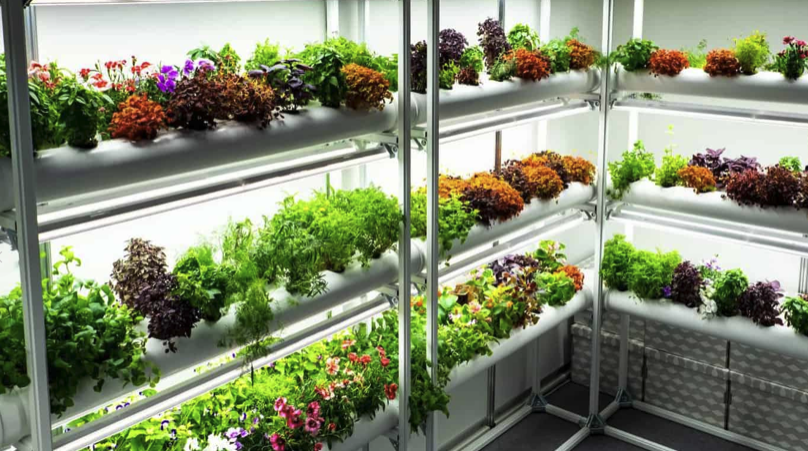
For basil and herbs that thrive in consistent moisture with good air circulation, consider the NT Hydroponics Wally 32 Fixed Wall Hydroponic Gardening System. It’s designed for wall-mounted or vertical setups and makes efficient use of indoor space, especially if you’re growing multiple crop types at once.
Raft Systems vs. Substrate-Based Systems
Raft systems (plants floating on foam boards above a nutrient reservoir) are wonderfully simple and great for leafy greens and herbs. Substrate-based systems use growing media like rockwool, clay pebbles, or coco coir to secure plants and retain moisture. These work better for fruiting crops with robust root systems. Rockwool is one of the most common substrates in commercial and home hydroponic growing because it holds moisture well, provides good aeration, and is pH-neutral when properly prepared.
Start Small, Build Confidence
The most common beginner mistake is trying to do too much at once. Pick two or three crops from this list. Lettuce, basil, and microgreens make an excellent starter pack. Get your system running and expand from there.
Each successful harvest teaches you how your system operates, how your plants respond, and what adjustments improve results. This knowledge builds fast. Before long, home hydroponic gardening feels like second nature.
Your first harvest is closer than you think.
Common Questions
What plant grows fastest in hydroponics?
Microgreens are the fastest, with several types ready to harvest in 7 to 16 days from seeding. Lettuce is next; some loose-leaf varieties reach harvestable size in about 30 days. Watercress and spinach are also fast, typically hitting first harvest within 3 to 4 weeks of transplanting under good conditions.
Can beginners grow tomatoes hydroponically?
Yes, with realistic expectations. Tomatoes aren’t the simplest crop here and shouldn’t be your first attempt. They need high light intensity, strong support, careful nutrient management, and patience. They’re absolutely achievable for beginners who’ve had a few successful harvests with easier crops.
Start with a compact determinate variety or a cherry tomato like Sweet 100. These produce fruit faster, stay smaller, and forgive small mistakes better than large beefsteak types. A DWC system with a 5-gallon reservoir per plant is the best beginner setup.
The biggest challenge is light. Tomatoes need far more than leafy greens: 16 to 18 hours of intense, full-spectrum light daily. Without enough light, plants grow weak, flower poorly, and produce few tomatoes regardless of other care.
The second challenge is nutrients. Tomatoes need higher nitrogen during vegetative growth, then higher potassium and phosphorus once flowering begins. A two-stage nutrient approach (one vegetative formula, one fruiting formula) is the most effective way to ensure a good yield.
- Start with determinate or cherry tomato varieties
- Use DWC with at least a 5-gallon reservoir per plant
- Invest in a high-intensity full-spectrum LED; low light is the top reason hydroponic tomatoes fail
- Switch from vegetative to fruiting nutrients once flowering begins
- Provide a sturdy stake or trellis as fruit develops
Do hydroponic plants need sunlight?
Hydroponic plants need light, but it doesn’t have to come from the sun. Full-spectrum LED grow lights deliver everything a plant needs for photosynthesis: the same wavelengths as sunlight, from an artificial source. This is one of the key advantages of indoor hydroponics. You control the light cycle completely and can grow year-round regardless of season or location.
If you have a south-facing window with strong, direct sunlight most of the day, crops like lettuce, herbs, and microgreens may grow fine without extra lighting. Most indoor spaces don’t get enough consistent natural light for productive growing, though, especially during winter or in homes with limited windows.
For consistent year-round results, invest in a full-spectrum LED grow light. They last a long time and use less energy. For vegetative growth, look for 4000K to 6500K color temperature. For fruiting crops like tomatoes, cucumbers, and peppers, a warmer spectrum (2700K to 3000K) supports flowering and fruiting.
How often should you change the nutrient solution?
Do a complete reservoir change every one to two weeks. Between full changes, top off with plain, pH-balanced water as levels drop. Plants absorb water faster than nutrients, so nutrient concentration rises over time if you only add more solution without a full change.
Check your reservoir regularly with a TDS (total dissolved solids) meter and a pH meter. If TDS goes significantly above your target range, do a full change regardless of timing. Most leafy greens and herbs grow well at 560 to 840 ppm. Fruiting crops like tomatoes and cucumbers usually need 1400 to 3500 ppm during peak growth.
What plants should beginners avoid?
Avoid crops with deep root systems, long growing cycles, or complex structural needs. Root vegetables like carrots, beets, radishes, and potatoes grow their edible parts underground, requiring significant growing media depth. Monitoring their progress without disturbing the root zone is nearly impossible in a standard hydroponic setup.
Climbing crops like melons, squash, and pumpkins grow rapidly, demand lots of space, require indoor pollination management, and yield few fruits relative to the resources they consume. The effort-to-harvest ratio is poor compared to plants on this list.
Corn and grain crops aren’t practical for home systems either. They take up a lot of space per plant, yield one or two cobs or seed heads per cycle, and aren’t efficient for small-scale indoor growing.
Start with leafy greens, herbs, and compact fruiting crops. Once you’ve got those down, you’ll be ready to tackle more challenging projects with confidence.
For those ready to start, NT Hydroponics provides beginner-friendly systems and expert growing resources to help you go from planting your first seed to harvesting your first crop with confidence.