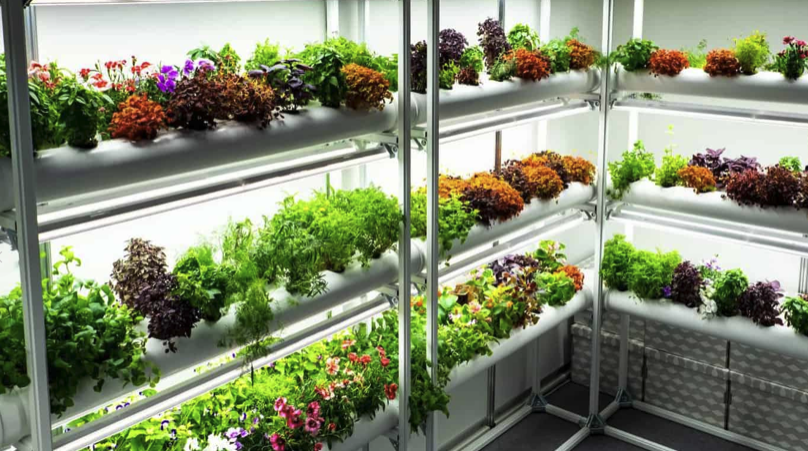
Really? Is anybody really tasting dirt? 😉
Grow Hydroponic Herbs That Rival Your Grandmother’s Garden
Chef Elena held two sprigs of basil. One from her grandmother’s backyard garden. The other from a local vertical farm, grown in nutrient-rich water.
She made pesto with both.
The result surprised her.
So, does soil-grown food actually taste better?
The short answer: no. Flavor comes from genetics, ripeness, and nutrient availability. Soil offers a complex ecosystem, sure. But hydroponics delivers every mineral a plant needs with pinpoint accuracy. When managed well, hydroponic herbs taste just as intense as anything pulled from the ground. Often more consistent, too.
That “bland” reputation? Blame commercial varieties bred for shelf life. The growing method has nothing to do with it.
Why Hydroponics Gives You More Control Over Flavor
With hydroponics, you create a perfect day for the plant, every single day.
You adjust water pH and mineral levels so the plant never starves. No guesswork. No hoping for rain. This precision produces herbs loaded with essential oils, which means stronger aroma and better taste on your plate.
Can Water Match the Mineral Complexity of Soil?
Soil is naturally rich in trace minerals like iron, manganese, and boron. These shape a vegetable’s flavor.
Old hydroponic systems missed these nuances. Today’s nutrient solutions match or exceed the mineral diversity of premium topsoil. And because the plant doesn’t waste energy hunting through dense dirt for food, it channels that energy into sugars and phytonutrients instead.
The result: higher-quality produce with richer flavor.
How to Increase Sweetness in Hydroponic Tomatoes and Strawberries
Here’s a trick commercial growers use:
Late in the growing cycle, slightly raise the salt concentration in the water. This puts mild stress on the plant, forcing it to produce more sugars to keep its water balance.
Try doing that with dirt. One rainstorm flushes the soil and resets everything. Hydroponics gives you flavor control that soil can’t.
What Do Blind Taste Tests Actually Show?
Chefs struggle to tell the difference.
In blind tests comparing high-quality hydroponic produce to organic soil-grown crops, tasters often preferred the hydroponic samples. They scored higher for texture and a “cleaner” taste.
Why? Hydroponic plants grow in sterile conditions. No earthy or muddy undertones that sometimes affect root vegetables and low-growing greens.
Why “Terroir” Is Still Hard to Copy
Terroir refers to the soil chemistry, climate, and local microbes that give a crop its specific character. Soil contains fungi and bacteria that interact with roots in ways science is still mapping.
We can match the minerals. We can’t yet replicate the full biological community of a specific patch of earth. That’s why a tomato from volcanic Italian soil might still taste different from one grown in a facility in New York.
This is the frontier hydroponics is working toward.
The Environmental Case for Hydroponics
- 90% less water than traditional farming (water recirculates instead of draining away)
- Far less land (systems stack vertically)
- No pesticides needed in most setups
- Grow local produce year-round, even in cities
For the eco-conscious foodie, these benefits often outweigh the romance of a dirt plot.
Common Questions
Is hydroponic food less nutritious?
No. Studies show hydroponic produce is nutritionally comparable, and sometimes superior, because nutrient levels are optimized from seed to harvest.
Can any plant be grown hydroponically?
Most can. Deep-rooting trees and heavy tuber crops are still more practical in soil.
Does hydroponics use more chemicals?
Hydroponics uses mineral salts. It typically requires fewer pesticides and herbicides than outdoor gardening.
Check out more helpful info @ NoSoilGardening.com
The Bottom Line
There’s no single winner here. If you love the tradition of working the earth, soil gardening is a beautiful practice. If you want precision, year-round harvests, and gourmet-quality food with less waste, hydroponics delivers.
Either way, the best-tasting food is always grown with care and eaten fresh.