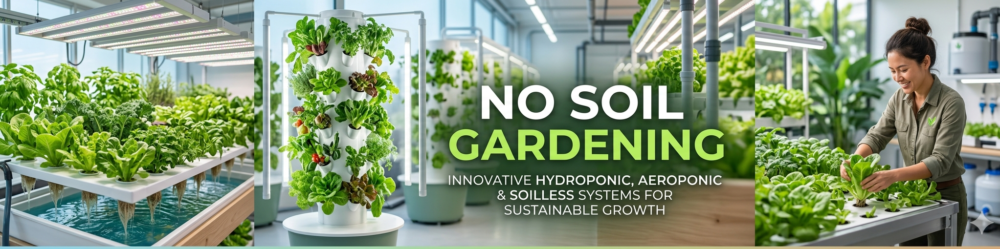
Hydroponics: Grow Faster, Harvest More
Grow 30–50% Faster Without Soil
The beginner-to-expert hydroponics playbook for bigger harvests, cleaner roots, and systems that run at peak performance year-round.
Hydroponics puts fresh, nutrient-dense produce on your table faster than any garden bed ever could.
Whether you just set up your first countertop unit or you’ve been running a nutrient film technique (NFT) system for years, this page breaks down exactly what to do – from first plant to full-scale maintenance.
Why Growers Are Switching to Hydroponics
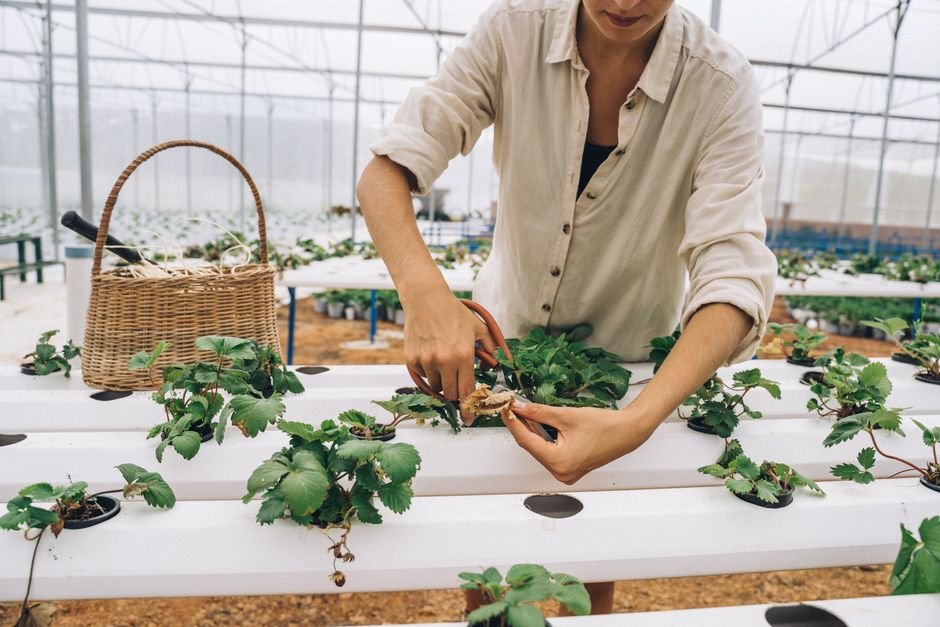
Plants grown in nutrient-rich water skip the slow work of hunting for food in dirt. They put all their energy into growth instead.
The result? Growth rates 30–50% faster than soil-grown plants. Picture harvesting fresh basil for pesto in half the usual time.
Key Benefits at a Glance
- 90% less water: The system recirculates water instead of letting it drain into the ground.
- Grow vertically: Systems like the Tower Garden fit dozens of plants into a few square feet of floor space.
- No pests, no weeds: No soil means no soil-borne disease and zero weeding.
- Harvest year-round: Crisp lettuce in summer. Juicy tomatoes in winter. No seasonal limits.
The Expert Maintenance Checklist
A high-performing system needs more than topping off the water. Disciplined routines keep every plant fed, oxygenated, and growing at its genetic peak.
Deep-Clean Reservoirs Without Killing Beneficial Microbes
Schedule a full reservoir swap every 2–4 weeks. Scrub interior surfaces with diluted food-grade hydrogen peroxide or mild white vinegar.
Speed matters. Have your replacement water dechlorinated and temperature-matched before you start the transfer. This prevents the pH swings and root shock that plague neglected systems.
Calibrate Pumps and Sensors for Precision
If your pH or EC (Electrical Conductivity) meters drift even slightly, plants can lock out nutrients or absorb toxic levels. Calibrate at least once a week.
- Two-point calibration: Use pH 4.0 and 7.0 buffer solutions to verify accuracy across the full range.
- Monthly pump teardown: Pull apart submersible pumps. Check the impeller for debris or root fragments. A sluggish pump starves roots of oxygen overnight.
- Store probes wet: Keep sensors in electrode storage solution. Dry probes lose sensitivity fast.
Advanced Root Care for Long-Term Harvests
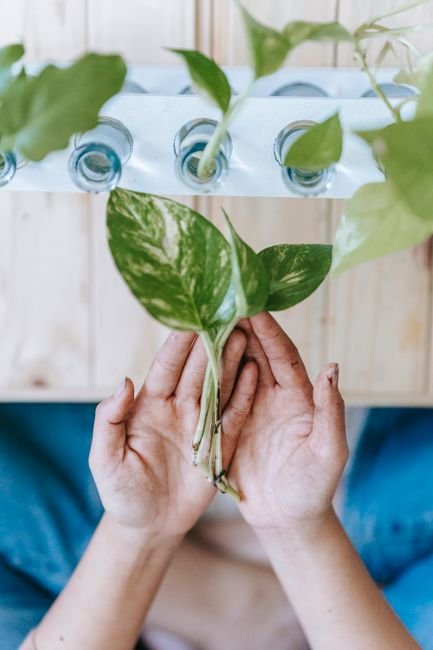
The root zone is the heart of every hydroponic system. As perennials like peppers, eggplants, and woody herbs mature, their roots can overgrow and choke the system. Managing that growth separates great harvests from mediocre ones.
Prune Roots Like You Prune Branches
In DWC (Deep Water Culture) or aeroponics, roots can clog drains and block water flow. Trim the outer “hair” of the root ball. Remove any brown or slimy sections.
Use sterilized shears. Never cut more than 20% of the root mass at once. This triggers fresh, white feeder roots that absorb nutrients far more efficiently.
Daily Visual Health Checks
Healthy roots look like bright white noodles and smell clean. A “pond” smell or tan color means trouble. Act fast: add a root inoculant with Bacillus amyloliquefaciens to fight Pythium (root rot).
Check emitters and sprayers every morning. In high-pressure aeroponics, one clogged nozzle can kill a plant within hours. A quick thumb-flick across each nozzle during your walk-through protects the entire crop.
Your Next Step: Pick One Habit and Start Today
Clean your reservoir. Calibrate a sensor. Check your roots.
Small, consistent actions are what turn a good system into a great one. Happy plants. Healthy food. Bigger harvests, all year long.