
Some crops explode in a hydroponic setup. Others rot, clog your pumps, or waste your time.
This guide shows you exactly which plants to grow, which systems to pair them with, and which crops to skip entirely.
Leafy Greens: Your Fastest Wins
Leafy greens have shallow roots and put all their energy into leaf production. That means faster harvests and tighter spacing.
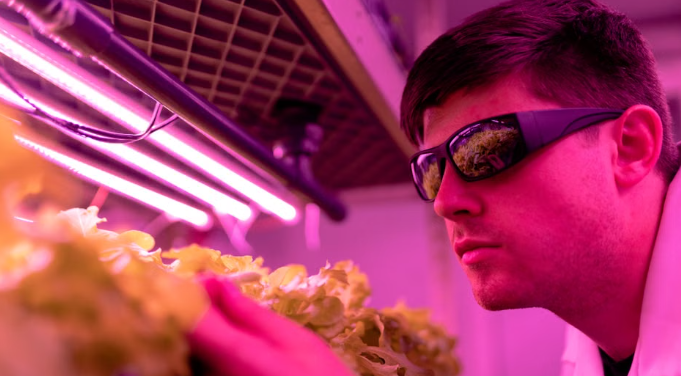
Lettuce matures in three to four weeks. Varieties like Butterhead, Romaine, and Red Oak grow closer together in Nutrient Film Technique (NFT) or Deep Water Culture (DWC) systems. Expect double or triple the yield per square foot compared to soil.
Spinach and Kale work well with the “cut-and-come-again” method. Pick the outer leaves. The center keeps growing.
Arugula grows fast and develops a sharper, peppery flavor in a controlled environment.
Pak Choi and Mizuna handle temperature swings in the reservoir better than most greens.
Herbs: Big Flavor, Small Footprint
Herbs are the most practical starting point for beginners. A small countertop system gives you fresh flavors year-round with minimal upkeep.
- Basil loves warmth and light. It gets bushier every time you prune it.
- Mint spreads fast but stays contained in a hydroponic setup, unlike in soil where it takes over everything.
- Cilantro and Parsley come out clean with no grit. No soil means no dirt stuck in the leaves.
- Chives and Oregano grow back quickly after pruning. Low effort, steady supply.
Fruiting Vegetables and Berries: Bigger Rewards, More Effort
These crops need stronger lighting, trellises, and closer attention. The payoff is worth it.
Tomatoes: Cherry and grape varieties suit smaller indoor setups. Full-sized vine tomatoes do well in Dutch Bucket systems.
Peppers: Sweet bells and hot chilis both thrive in controlled indoor warmth.
Cucumbers: Mini or bush varieties climb fast and produce fruit steadily throughout the season.
Strawberries: Vertical towers keep berries off the ground and away from pests. Cleaner fruit, easier harvesting.
Blueberries: They need highly acidic water (pH 4.5 to 6.0). In soil, holding that acidity is a constant battle. In a hydroponic system, you control the water chemistry directly.
Match Your Crops to the Right System
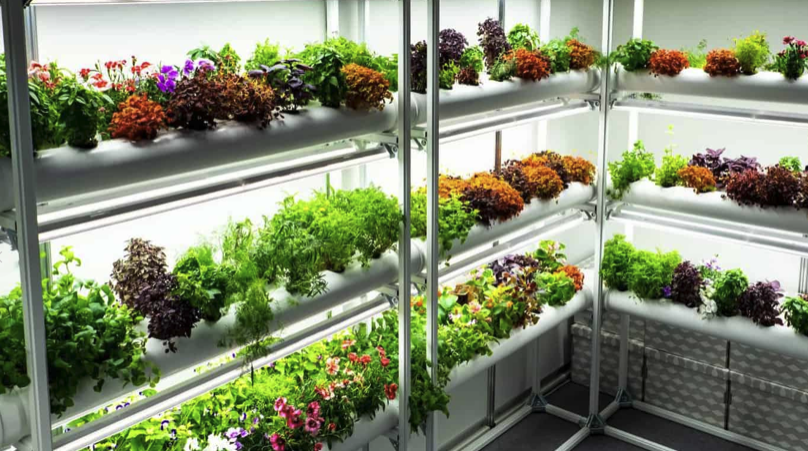
NFT and DWC work best for shallow-rooted plants: lettuce, herbs, spinach. These systems are lightweight and scale vertically.
Drip Systems and Dutch Buckets handle larger plants like tomatoes, cucumbers, and peppers. They provide more stability, bigger root space, and higher nutrient concentrations for heavy feeders.
What to Skip
Some crops aren’t worth the trouble in a standard hydroponic setup:
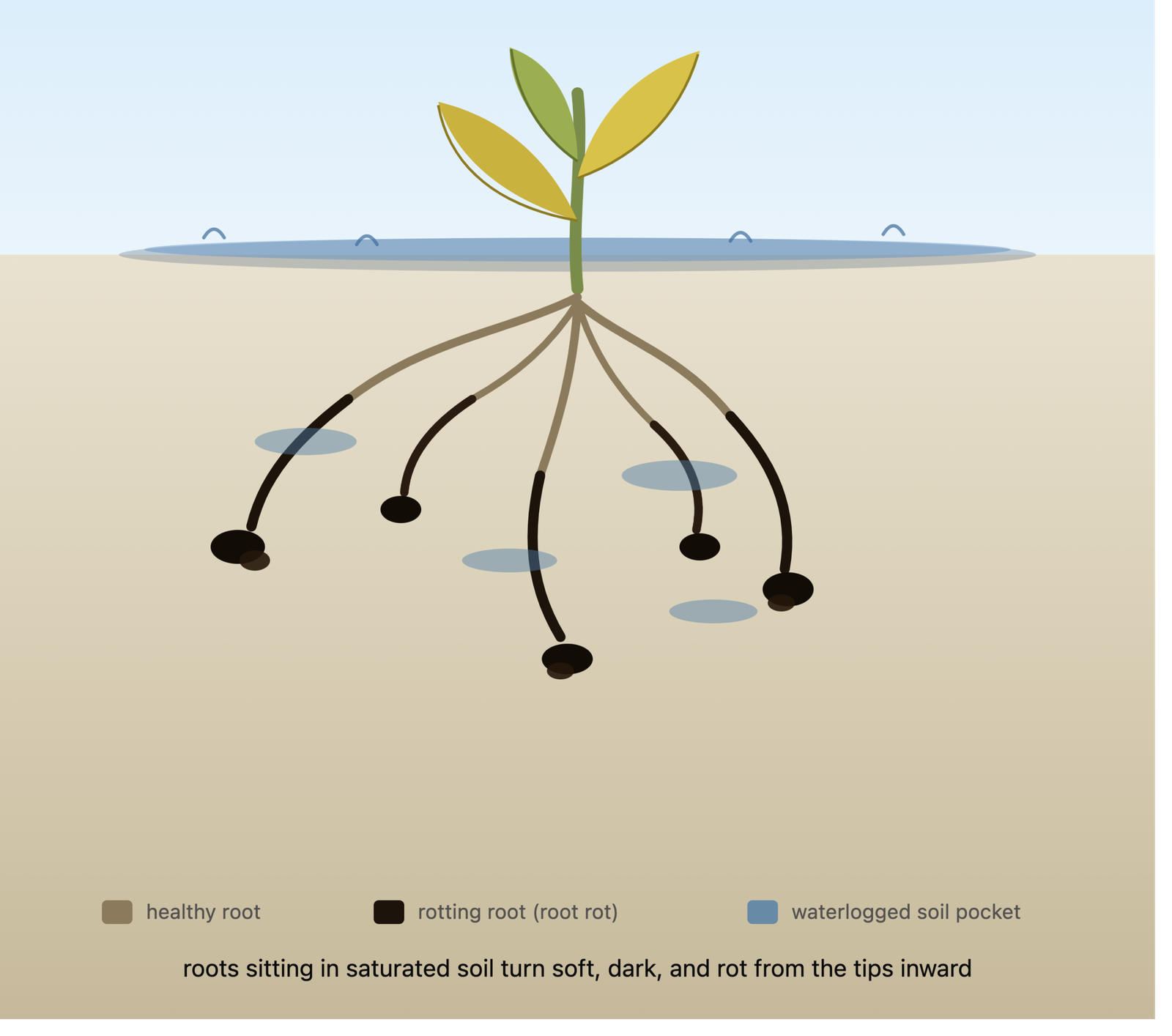
- Root crops (carrots, potatoes, turnips) need soil or specific substrates to expand properly. In water-heavy systems, they rot or grow misshapen.
- Trees and large shrubs develop aggressive taproots that clog tubing and destroy pumps.
- Large vine crops (pumpkins, watermelons, winter squash) need too much space and support. Their weight can collapse a standard rack.
- Field crops (corn, wheat) need acreage and wind pollination, both hard to replicate indoors.
- Cacti and succulents are built for dry conditions. Constant water and humidity will rot them fast.
Start Here
Pick your crops based on your space, your system, and your experience level.
Beginners: Start with lettuce and basil. Fast results, low complexity.
Intermediate growers: Add tomatoes, peppers, or strawberries once you have the lighting and support structures in place.
Control your nutrients. Monitor your pH. Skip the impractical crops. You’ll harvest more food, more often, in less space than any soil garden can offer.
Now get growing.