Hydroponics is revolutionizing the way we think about home gardening, offering a soil-free alternative that can produce high yields in small spaces. If you are just starting your journey, the first question you likely have is what to grow in hydroponic system setups to ensure the best results. While modern technology allows us to grow almost anything without soil, certain crops are far more suited to the liquid environment than others. Understanding what plants can grow in hydroponics successfully will save you time, money, and frustration.
The Best Leafy Greens for Quick Harvests
Leafy greens are the undisputed champions of the hydroponic world. Because these plants typically have shallow root systems and fast growth cycles, they are perfectly adapted to systems like Nutrient Film Technique (NFT) and Deep Water Culture (DWC). If your goal is to have a constant supply of fresh salad components, focusing on greens is the smartest way to start.
Lettuce: The Hydroponic Staple
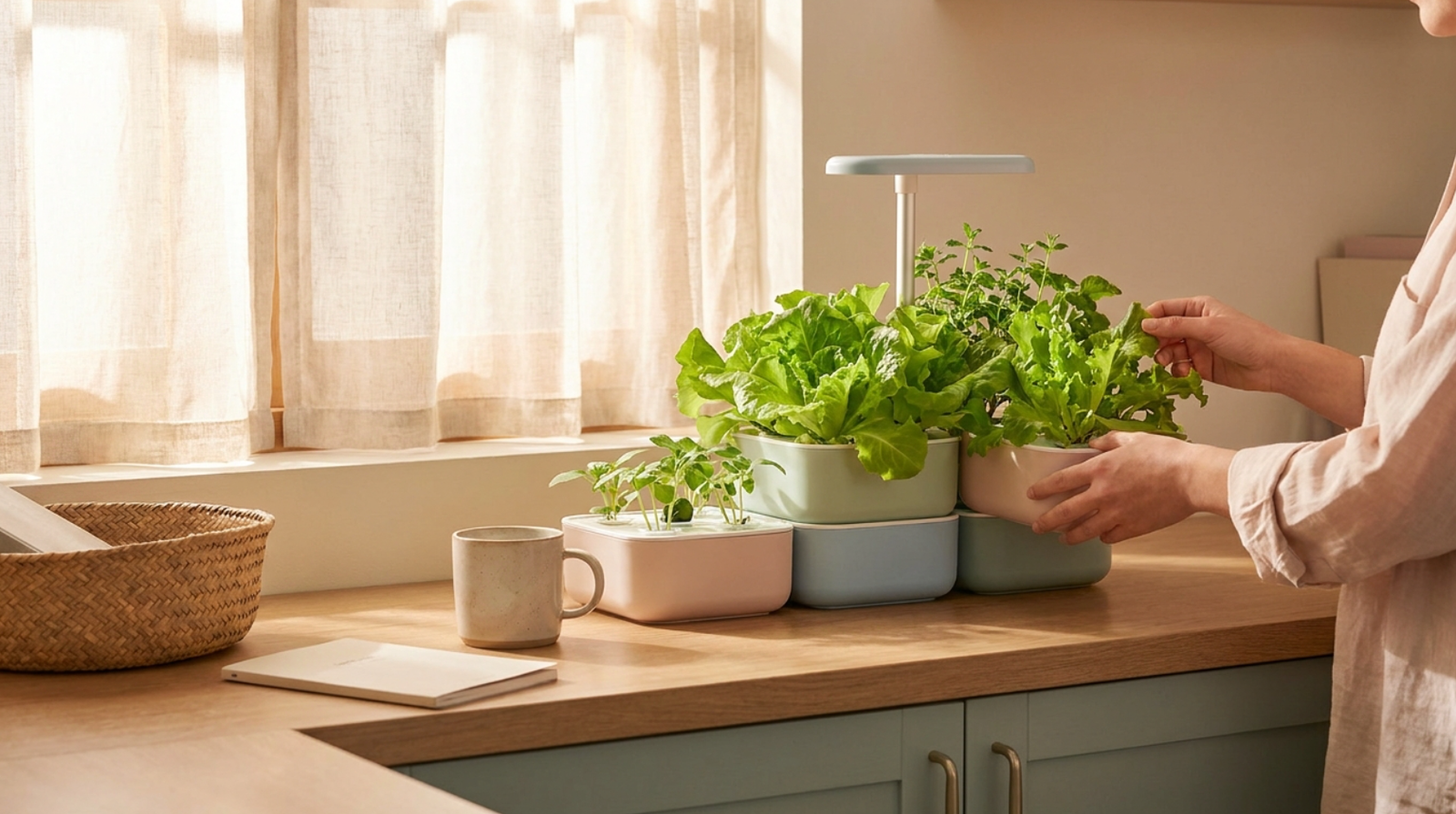
When considering how much lettuce you can grow in your garden, hydroponics offers a significant advantage over traditional soil. In a controlled environment, varieties like Butterhead, Romaine, and Red Oak can mature in as little as 3 to 4 weeks. Because you can stack these plants vertically or use high-density channels, a small indoor setup can provide several heads of lettuce every single week. This rapid turnover makes it the most popular choice for both hobbyists and commercial growers.
Hardy Greens: Spinach, Kale, and Swiss Chard
Beyond standard lettuce, other leafy greens thrive exceptionally well. Spinach and Kale are highly nutritious cool-weather crops that benefit from the “cut-and-come-again” harvest method, allowing you to pick outer leaves while the center continues to grow. Swiss Chard is particularly notable for its hardiness; it can tolerate warmer reservoir temperatures that might cause other greens to wilt or bolt.
Peppery and Asian Greens
For those who enjoy more variety, Arugula grows incredibly fast and often develops a sharper, more distinct peppery flavor when grown hydroponically. Asian greens like Pak Choi (Bok Choy), Mizuna, and Tatsoi are also excellent candidates as they handle temperature fluctuations well and add a unique texture to your harvest.
Culinary Herbs for Indoor Gardens
If you are limited on space, such as a kitchen countertop, herbs are the ideal answer for what to grow in hydroponic system gardens. They are highly productive, smell wonderful, and provide a constant supply of fresh seasoning for your cooking.
Basil: The Beginner’s Favorite
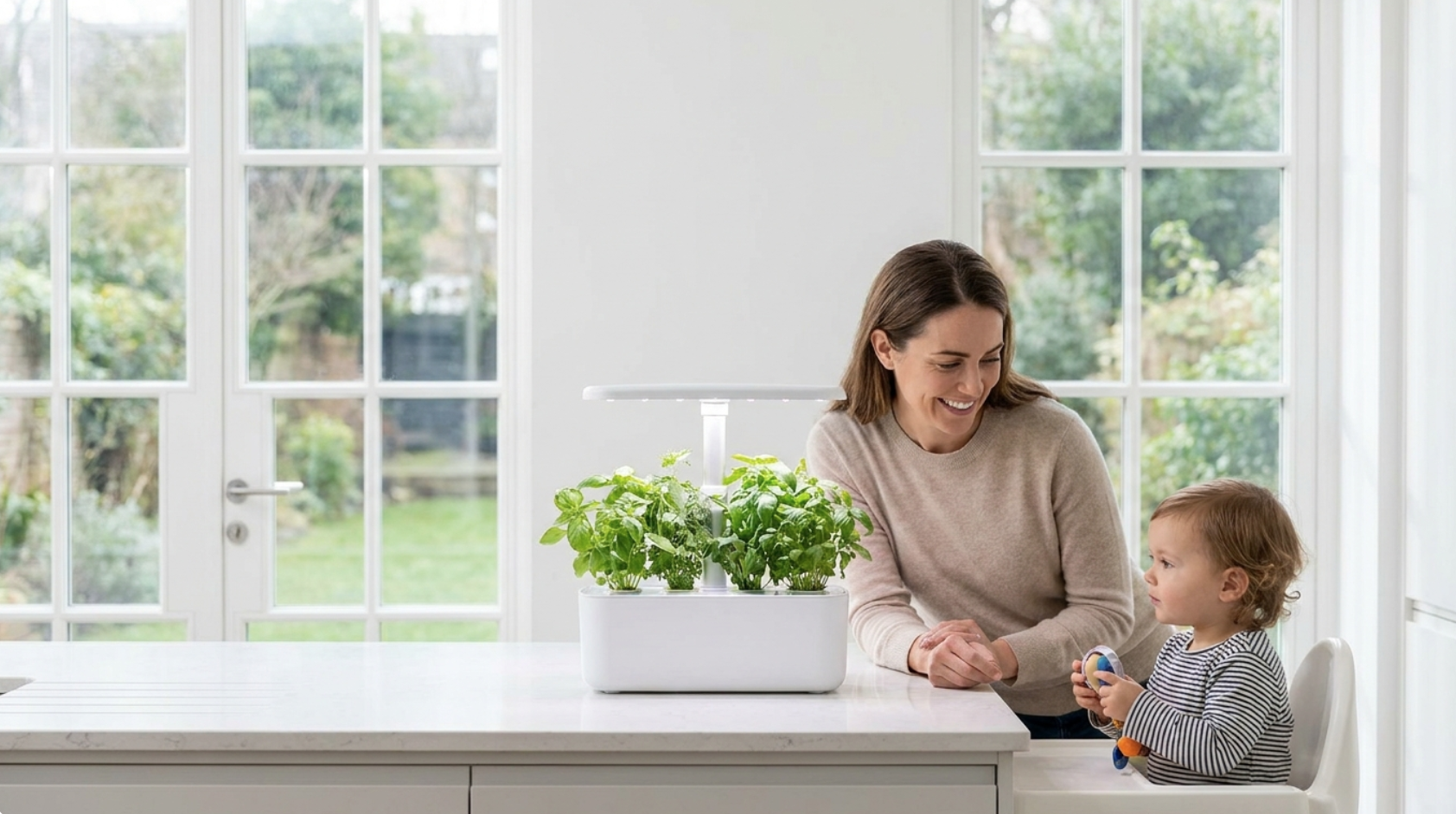
Basil is widely considered the ultimate beginner herb for hydroponics. It loves the warmth and consistent light of indoor systems. In a hydroponic setup, basil grows much faster than in soil, producing large, lush leaves that can be harvested repeatedly.
Mint, Cilantro, and Parsley
Mint is notoriously invasive in traditional gardens, often taking over entire flower beds. In a hydroponic system, its growth is easily contained, allowing you to enjoy fresh mint without the headache. Cilantro and parsley are also excellent choices; growing them without soil means you get clean, grit-free leaves that don’t require the intense scrubbing often needed for ground-grown varieties.
Fruiting Vegetables and Berries
While greens and herbs are easy, many gardeners want to know what plants can grow in hydroponics that provide more substantial harvests, like tomatoes or strawberries. These crops require more intensive management, including specialized lighting and structural support.
Tomatoes and Peppers
Fruiting crops like tomatoes and peppers are “heavy feeders,” meaning they require higher concentrations of nutrients. Cherry and grape patio varieties are ideal for indoor systems. Because these plants can become heavy, they are best suited for Drip Systems or Dutch Buckets, which provide the physical stability needed for their weight. You will also likely need a trellis or stakes to keep the vines from collapsing.
Strawberries and Blueberries
Strawberries are perhaps the most popular fruit for hydroponics. They are often grown in vertical towers, which keeps the fruit off the ground and away from soil-borne pests. Blueberries are a more specialized crop but succeed in hydroponics because the water pH can be strictly maintained at the highly acidic levels (4.5 to 6.0) they require—something that is often difficult to achieve in garden soil.
What Plants to Avoid in Hydroponics
While it is technically possible to grow almost anything, some plants are simply impractical or destined for failure in a standard hydroponic setup. Knowing what to avoid is just as important as knowing what to grow in hydroponic system environments.
Root Crops
Plants like carrots, potatoes, sweet potatoes, and turnips require a physical medium to expand and form their edible parts. In a water-heavy environment, these crops are highly susceptible to root rot. While they can be grown in specialized aggregate substrates like coco coir or perlite, they are generally considered impractical for standard systems.
Deep-Rooted and Heavy Crops
Large trees, shrubs, and even sunflowers develop massive, aggressive taproot systems. These roots will quickly clog hydroponic tubing, choke out pumps, and outgrow even the largest reservoirs. Similarly, field crops like corn are top-heavy and require wind for pollination, making them a poor fit for indoor hydroponic setups.
Large Vine Crops
Pumpkins, winter squash, and large melons require immense amounts of space and physical support. Their weight can easily collapse standard hydroponic structures. Unless you have a massive industrial setup with heavy-duty reinforcements, these are best left to the traditional garden plot.
Conclusion: Choosing the Right Plants for Your Setup
Deciding what to grow in hydroponic system setups depends largely on your equipment and your goals. If you are a beginner, starting with leafy greens like lettuce and herbs like basil will provide the quickest wins and the most straightforward learning curve. As you gain experience with nutrient management and lighting, you can graduate to fruiting vegetables like tomatoes and strawberries.
Remember that the key to success lies in matching the plant to the system. NFT and DWC are perfect for greens, while Dutch Buckets and Drip Systems are better for larger, fruiting plants. By selecting the right plants that can grow in hydroponics, you can enjoy a lush, productive garden all year round, regardless of the weather outside.