Closing the Loop: NASA’s Newest Leap Toward Deep Space Sustainability
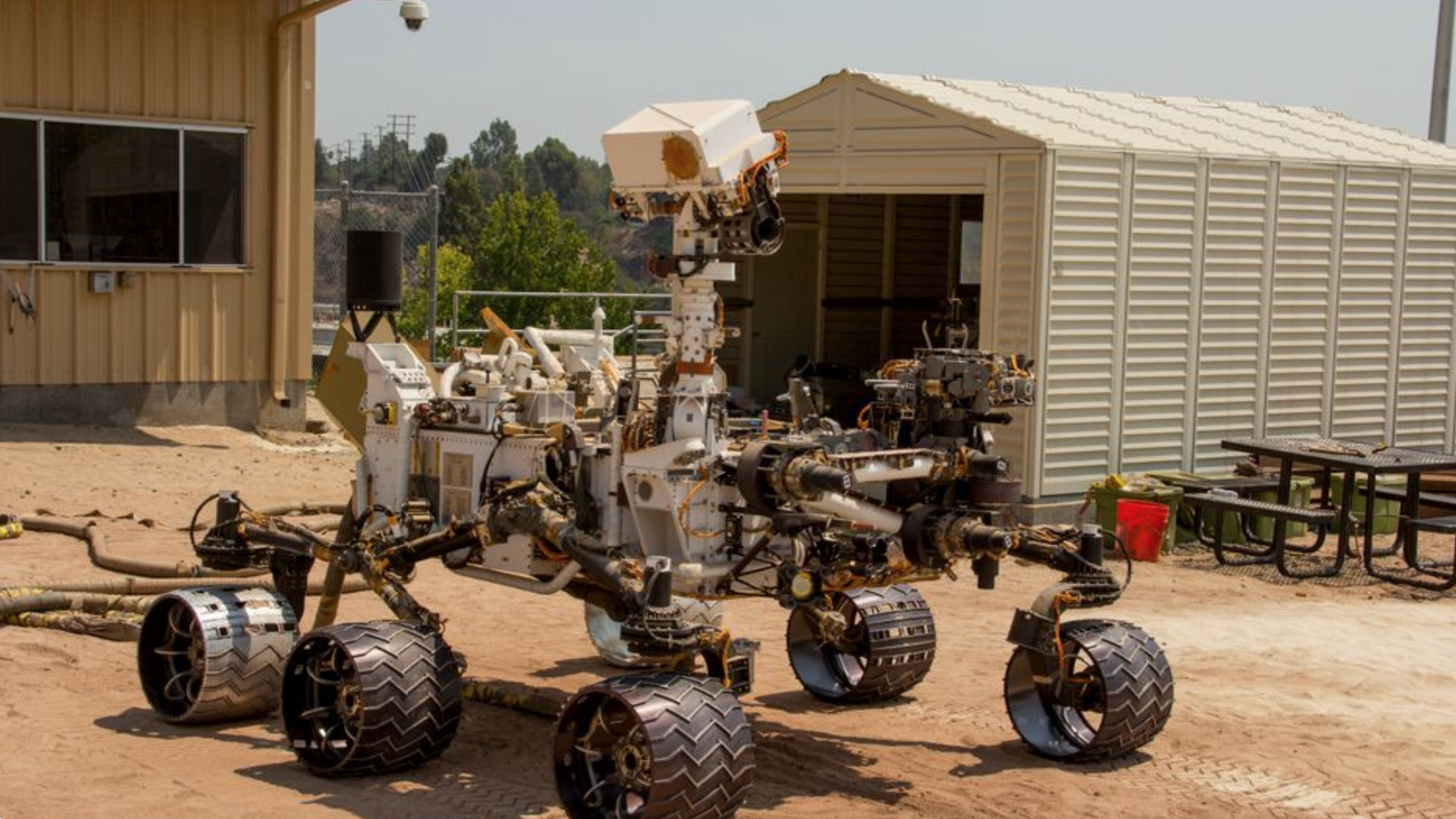
In a significant step toward establishing a permanent human presence on the Moon and eventually Mars, NASA has officially begun analog testing of a revolutionary “wastewater-to-nutrient” system. This month, the agency delivered a mobile Divergent Deployable Wastewater Treatment Facility to the University of North Dakota (UND), marking a pivotal moment in the development of closed-loop life support systems. The project aims to transform crew waste into the very lifeblood of extraterrestrial agriculture: nutrient-rich feedstock for hydroponic gardens.
As the Artemis missions prepare to return humans to the lunar surface, the challenge of logistics becomes a primary hurdle. Shipping water and fertilizer across the vacuum of space is prohibitively expensive and logistically complex. The solution, according to NASA researchers, lies in circularity. By treating wastewater not just as a byproduct to be purified, but as a resource to be harvested, NASA is moving closer to the goal of true self-sufficiency in deep space.
The Science of Survival: How the Divergent Deployable System Works
The facility delivered to UND is designed to simulate the harsh, resource-constrained environments of a lunar or Martian base. The “Divergent Deployable” aspect of the technology refers to its modular design, allowing it to be transported in a compact form and expanded upon arrival. This is a critical requirement for space hardware, where every cubic centimeter of cargo space is precious.
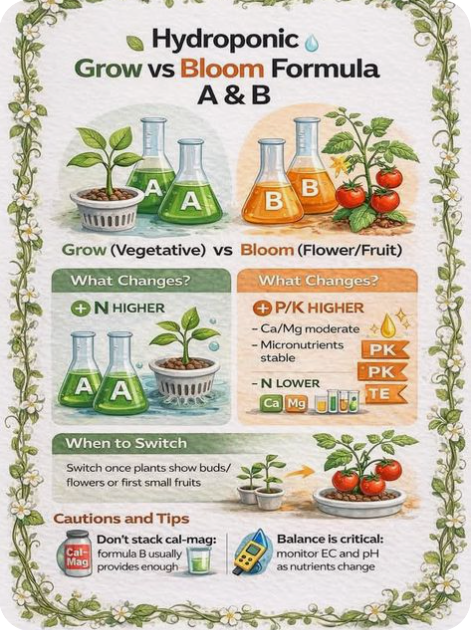
The system operates through a multi-stage biological and chemical process. Unlike traditional Earth-based wastewater treatment, which focuses primarily on removing contaminants to reach “potable” standards, this system is tuned to preserve and concentrate essential macronutrients like nitrogen, phosphorus, and potassium. These elements are the primary components of fertilizers used in hydroponics—the method of growing plants in nutrient-rich water rather than soil.
From Gray Water to Green Gardens
The process begins by collecting “gray water” (from sinks and showers) and “black water” (human waste). Through a series of advanced filtration membranes and bioreactors, the system strips away harmful pathogens and chemicals while isolating the organic compounds that plants crave. The result is a stabilized nutrient solution that can be directly injected into hydroponic trays to grow leafy greens, tomatoes, and even calorie-dense crops like potatoes.
Testing this in an analog environment like North Dakota is essential. The region’s isolation and extreme temperature fluctuations provide a rigorous testing ground for how the hardware handles the stresses of a simulated extraterrestrial colony. Researchers at UND will monitor the system’s efficiency, the quality of the nutrient output, and the health of the plants grown in the resulting solution.
Advancements in Hydroponics 2026: A Turning Point for the Industry
The timing of this NASA initiative aligns with broader advancements in hydroponics 2026. We are currently seeing a shift in the industry from simple “vertical farming” to fully integrated bio-regenerative systems. The NASA/UND project represents the cutting edge of this evolution, where the distinction between waste management and food production begins to disappear.
Key trends in the hydroponics field for 2026 include:
AI-Driven Nutrient Dosing: Systems that use real-time sensors to adjust the chemical balance of water based on the specific growth stage of the plant.
Microbial Management: The use of beneficial bacteria to enhance nutrient uptake, mimicking the complex ecosystems found in natural soil.
Resource Recovery: Technologies like the Divergent Deployable system that minimize external inputs by recycling 95% or more of all water and minerals.
NASA’s involvement acts as a catalyst for these technologies. When the agency solves a problem for a Martian habitat, the resulting patents and methodologies often trickle down to commercial agriculture, making high-tech farming more accessible and efficient for everyone.
Terrestrial Impact: Solving Earthly Problems with Space Tech
While the primary goal of the Divergent Deployable Wastewater Treatment Facility is to support astronauts, the implications for Earth are profound. As climate change accelerates, drought-stricken regions and rapidly growing urban centers are facing unprecedented water and food security challenges.
Zero-waste urban farming is no longer a futuristic concept; it is becoming a necessity. In cities where space and water are at a premium, the ability to recycle municipal wastewater into fertilizer for local vertical farms could drastically reduce the carbon footprint of food production. This technology eliminates the need for synthetic fertilizers, which are energy-intensive to produce and often contribute to water pollution through runoff.
Drought Resilience and Localized Production
In regions like the American Southwest or parts of Sub-Saharan Africa, where water scarcity is a daily reality, NASA’s closed-loop tech offers a blueprint for survival. A localized, modular wastewater-to-nutrient system could allow communities to grow their own produce using a fraction of the water required by traditional agriculture. By treating every drop of water as a reusable asset, these systems provide a buffer against the unpredictability of rainfall patterns.
Expert Perspectives: Why This Matters Now
Industry experts suggest that the collaboration between NASA and academic institutions like the University of North Dakota is vital for rapid iteration. “Analog missions allow us to fail fast and learn quickly,” says one researcher familiar with the project. “We can’t afford a system failure on Mars. By testing the Divergent Deployable facility in North Dakota, we can identify mechanical bottlenecks and biological sensitivities before the hardware ever leaves the atmosphere.”
Furthermore, the data collected during these tests will be invaluable for the next generation of hydroponic engineers. Understanding how nutrient concentrations fluctuate over several growth cycles in a closed loop is essential for maintaining long-term crop health and ensuring the safety of the food produced.
The Road to the Red Planet
As we look toward the late 2020s and the 2030s, the success of these nutrient-recycling systems will determine the duration and scope of human exploration. If we can master the art of “living off the land”—or more accurately, living off our own recycled resources—the dream of a self-sustaining Mars colony moves from the realm of science fiction into engineering reality.
The delivery of the mobile treatment facility to UND is more than just a logistical handoff; it is the beginning of a new chapter in human ingenuity. It represents a future where waste is a word of the past, and where the lessons learned in the cold plains of North Dakota pave the way for the first gardens on the Red Planet.
For more information on NASA’s ongoing research into space-based agriculture and life support systems, visit the official NASA website.
Source: NASA / Mirage News