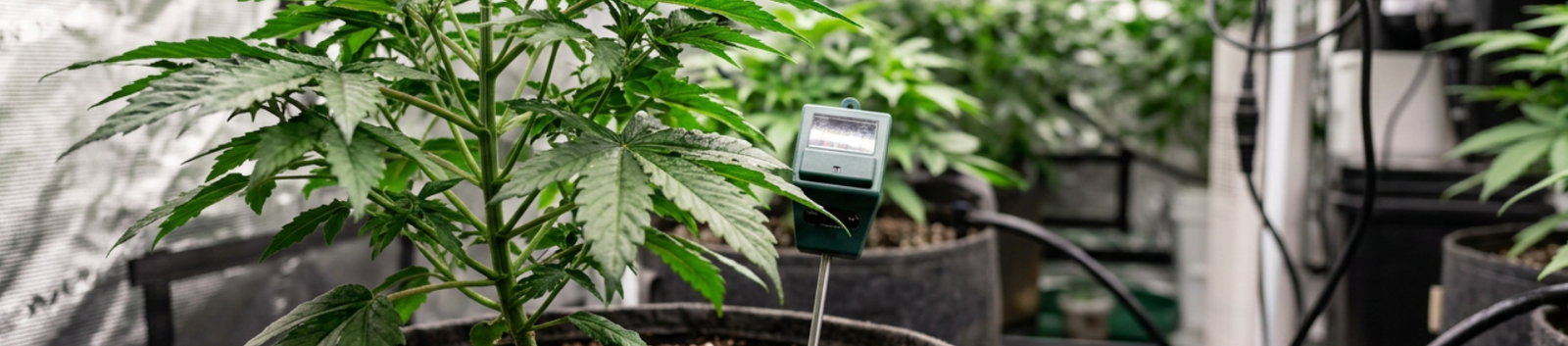
Skip the dirt. Feed your plants directly. Harvest weeks earlier.
For centuries, soil has been the default. But modern hydroponics – growing plants in nutrient-rich water without soil – is proving that dirt may actually slow your plants down.
Deliver nutrients straight to the roots and you cut out the biological “struggle” plants face underground. All that saved energy goes into leaf and fruit production instead.
Why Water-Grown Plants Outpace Soil Every Time
In a traditional garden, roots act like miners. They push through dense soil, searching for moisture and minerals. That search burns metabolic energy – energy that could grow bigger leaves or tastier fruit.
Hydroponic systems work more like a buffet. Roots sit in a balanced solution of nitrogen, phosphorus, potassium, and micronutrients. Food comes to the plant. Root systems stay small and efficient. The surplus energy accelerates growth.
Why Soil Plants Work Harder
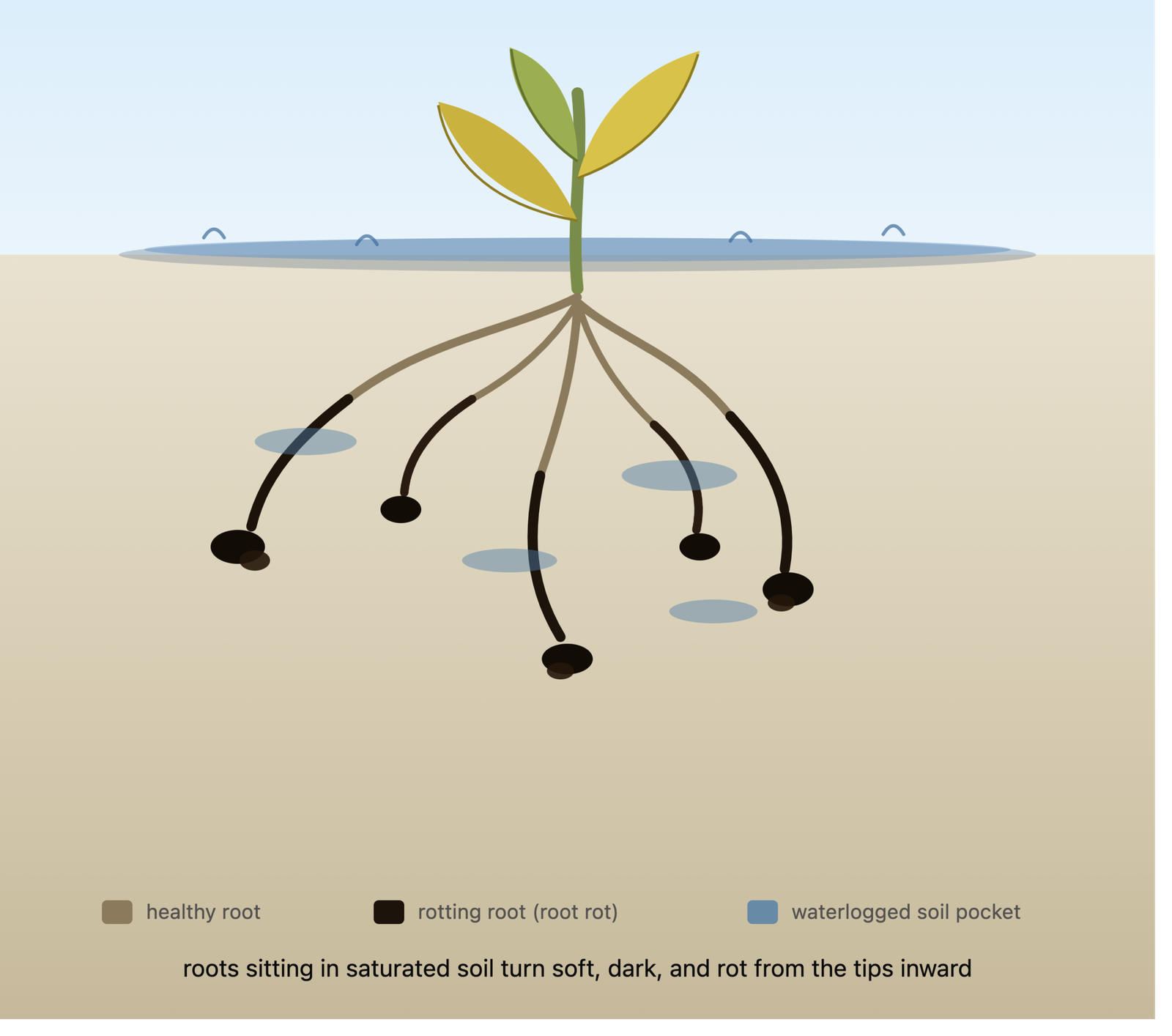
Soil compacts. Nutrients get locked behind pH barriers. If the soil dries out, plants wilt. Too wet, and roots drown. This constant stress slows growth.
“A plant in soil spends about 50% of its energy just growing a root system large enough to find what it needs. In a hydroponic setup, that energy gets redirected upward.”
— Industry analyst, Gotham Greens
Oxygen: The Growth Accelerator Most Growers Overlook
Roots need to breathe. In soil, oxygen hides in tiny air pockets between clods. Overwater once, and those pockets fill up. The plant suffocates.
Hydroponic systems like Deep Water Culture (DWC) or Aeroponics use air stones and pumps to saturate water with dissolved oxygen. Roots absorb nutrients faster. Plants never have to “hold their breath.” That’s where the 30–50% speed advantage comes from.
Real Harvest Timelines: Water vs. Dirt
- 🥬 Lettuce: 60–70 days in soil. 35–40 days in hydroponics.
- 🌿 Basil: 6 weeks in soil. As little as 3 weeks in water.
- 🥗 Kale & Greens: Reach harvestable size nearly twice as fast in water systems.
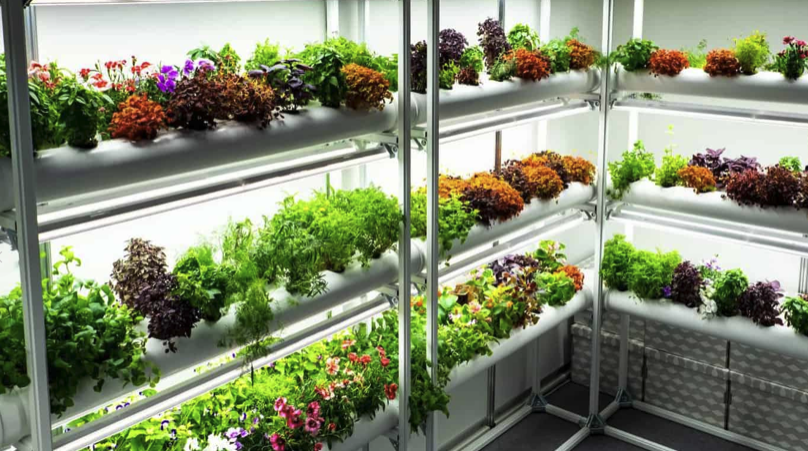
Faster growth also means more harvests per year. A vertical hydroponic tower can produce 10–12 harvests of greens annually. A traditional backyard plot? Maybe 3 or 4 before the seasons change.
Precision Nutrients, Zero Guesswork
In soil, gardeners guess how much fertilizer to add. That leads to runoff or salt burn.
In hydroponics, pH and Electrical Conductivity (EC) are measured with digital sensors. Need more potassium during flowering? Adjust the reservoir instantly. In soil, changing the nutrient profile takes days or weeks. This instant feedback loop keeps plants in their peak performance zone.
Less Water. Less Space. More Food.
Hydroponic systems use up to 90% less water than traditional farming. The water recirculates instead of soaking into the ground or evaporating.
These systems stack vertically too. Companies like Eden Green and Tower Garden grow thousands of pounds of produce in the footprint of a shipping container. Fresh, local produce in the heart of any major city, regardless of soil quality.
Fewer Pests, Cleaner Plants
Most soil-borne pests and diseases – nematodes, grubs, certain fungi – don’t exist in a soil-less setup. Remove the dirt, remove the habitat. Plants stay cleaner and healthier, which fuels even faster development.
The Bottom Line for Home Growers
Soil gardening will always have its place. But the data is clear: hydroponics delivers 30–50% faster growth through optimized oxygen and nutrient delivery.
Whether you’re growing herbs in your kitchen or feeding a city, the math favors water. Remove the obstacles of soil. Give plants exactly what they need, when they need it. Enjoy a year-round, high-speed harvest.