Pick the right hydroponic system in 10 minutes and start growing this weekend.
Hydroponics sounds like science fiction. It’s actually one of the simplest ways to grow plants. You feed water and nutrients straight to the roots. Plants grow faster. They grow healthier. And you can do it on your kitchen counter.
The biggest question for beginners: how does the water reach your plants? Should you use a pump, or will a simple wick do the job?
This guide breaks down “active” and “passive” systems so you can pick the right one and start growing today.
What You’ll Learn
- The core difference between active and passive systems
- How a wick system works (and why beginners love it)
- When to upgrade to a pump system
- How to choose the best setup for your home
Active vs. Passive Systems
Hydroponic setups fall into two groups: active and passive. The difference is simple: how water moves from the reservoir (your container of water and plant food) to the roots.
Passive systems use no electricity or moving parts. They rely on basic physics to move water. The Ohio State University Extension recommends these as the simplest way to learn plant biology without getting buried in tech.
Active systems use a small water pump or air pump to circulate the nutrient solution. They keep water and oxygen flowing to the roots around the clock. More setup is required, but they often produce much larger harvests.
Pro Tip: Think of a passive system like a candle wick soaking up wax. An active system is like a park fountain. One works on its own; the other needs a motor.
The Wick System: The Simplest Way to Start
Want the easiest entry point? The wick system is it. This passive setup uses a piece of felt, rope, or fabric to pull water from a reservoir into the plant tray. It works through “capillary action”: the same thing that happens when you touch a paper towel to a spill and watch the water climb.
Why You’ll Love It
- No Electricity: No power outlet needed. No worries about outages killing your plants.
- Totally Silent: No pumps means zero humming or bubbling. Perfect for a bedroom or quiet office.
- Budget-Friendly: Build one from recycled soda bottles or containers for a few dollars.
The Downside
Wick systems work great for small plants like lettuce, herbs, or microgreens. They can’t move a lot of water, though. A big, thirsty tomato plant will outpace the wick and go dry.
The Pump System: Bigger Plants, Faster Growth
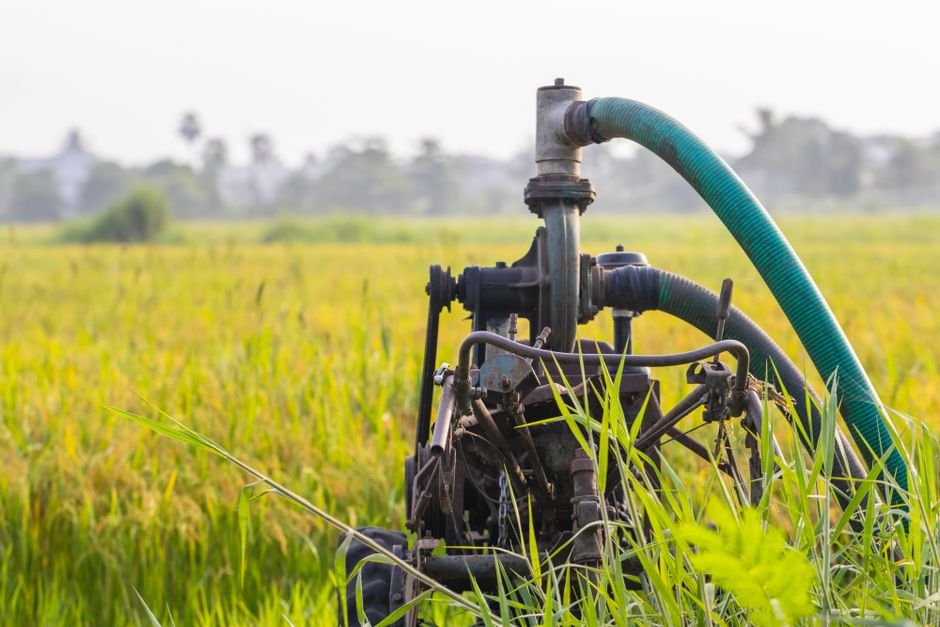
Once you’ve got the basics down, you might want bigger crops: peppers, cucumbers, tomatoes. That’s where active systems shine. A small submersible pump sits in your water tank. On a timer, it pushes water up to the plants, bathing the roots in fresh nutrients and oxygen.
Why You’ll Love It
- Faster Growth: Moving water stays full of oxygen. Oxygenated roots act like supercharged engines for plants.
- Bigger Plants: Pumps move enough water for heavy-feeding plants that would wilt in a wick system.
- Automation: A simple plug-in timer automates the feeding schedule entirely.
The Downside
More complexity. You’ll deal with tubes, pumps, and sometimes leaky connections. If the pump fails or power goes out, roots can dry out fast because there’s no passive “safety net” of water.
Which System Fits Your Goals?
University extension programs (like the University of Minnesota) recommend starting small. Here’s a quick comparison:
| Your Goal | Best Pick |
|---|---|
| Fun project with kids | Wick System – great science experiment, very hard to mess up |
| Growing a salad a week | Wick System or simple Deep Water Culture (beginner-friendly active system) |
| Full indoor garden with tomatoes | Active Pump System – you need the extra power for fruit |
| Low maintenance, busy schedule | Wick System – no parts to break while you’re away |
Try This: The “Mason Jar” Wick Test
Before you buy any equipment, try this quick exercise to see capillary action for yourself:
- Find a Jar: Any glass jar. Fill it with water.
- The Wick: Grab a strip of cotton fabric or thick wool yarn.
- The Test: Drape one end into the water. Let the other end hang over the side into an empty cup.
- Watch: Check back in an hour. The empty cup will start collecting water. That’s exactly how a wick system feeds a plant.
Your Next Step
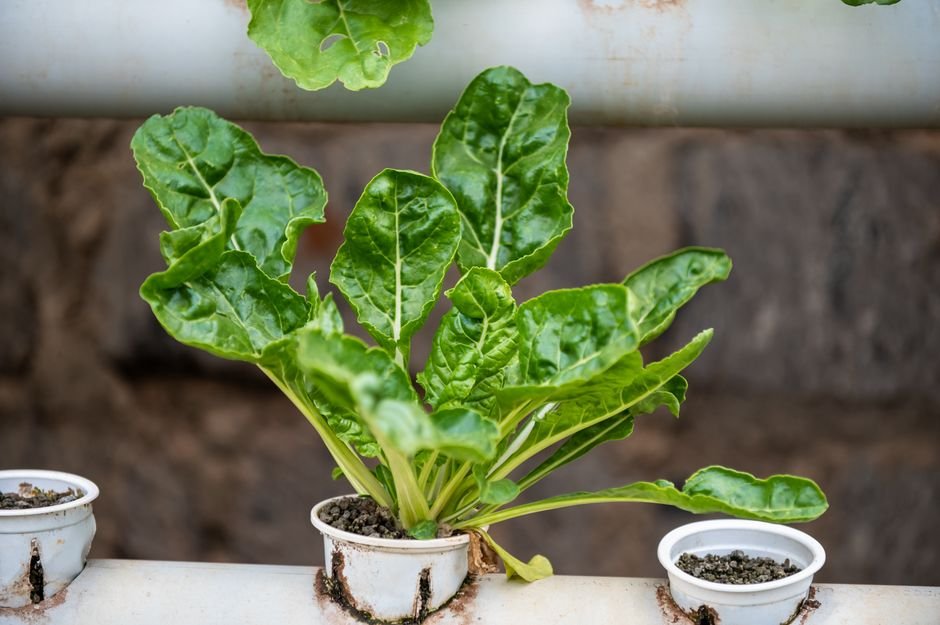
Now you know the difference between pumps and wicks. Pick your first plant. Most beginners find leafy greens like basil or butterhead lettuce the most forgiving. For more on nutrients, sites like Science in Hydroponics offer solid guidance.
Hydroponics is all about experimentation. Start with a simple wick. Upgrade to a pump once you see those first green leaves. Happy growing!
Want more soil-free growing guides? Visit NoSoilGardening.com
Grow Fresh Food at Home – No Soil Required
Grow Fresh Food at Home, No Soil Required
Pick the right hydroponic system in 10 minutes and start growing this weekend.
Hydroponics sounds like science fiction. It’s actually one of the simplest ways to grow plants. You feed water and nutrients straight to the roots. Plants grow faster. They grow healthier. And you can do it on your kitchen counter.
The biggest question for beginners: how does the water reach your plants? Should you use a pump, or will a simple wick do the job?
This guide breaks down “active” and “passive” systems so you can pick the right one and start growing today.
What You’ll Learn
- The core difference between active and passive systems
- How a wick system works (and why beginners love it)
- When to upgrade to a pump system
- How to choose the best setup for your home
Active vs. Passive Systems
Hydroponic setups fall into two groups: active and passive. The difference is simple: how water moves from the reservoir (your container of water and plant food) to the roots.
Passive systems use no electricity or moving parts. They rely on basic physics to move water. The Ohio State University Extension recommends these as the simplest way to learn plant biology without getting buried in tech.
Active systems use a small water pump or air pump to circulate the nutrient solution. They keep water and oxygen flowing to the roots around the clock. More setup is required, but they often produce much larger harvests.
Pro Tip: Think of a passive system like a candle wick soaking up wax. An active system is like a park fountain. One works on its own; the other needs a motor.
The Wick System: The Simplest Way to Start
Want the easiest entry point? The wick system is it. This passive setup uses a piece of felt, rope, or fabric to pull water from a reservoir into the plant tray. It works through “capillary action”: the same thing that happens when you touch a paper towel to a spill and watch the water climb.
Why You’ll Love It
- No Electricity: No power outlet needed. No worries about outages killing your plants.
- Totally Silent: No pumps means zero humming or bubbling. Perfect for a bedroom or quiet office.
- Budget-Friendly: Build one from recycled soda bottles or containers for a few dollars.
The Downside
Wick systems work great for small plants like lettuce, herbs, or microgreens. They can’t move a lot of water, though. A big, thirsty tomato plant will outpace the wick and go dry.
The Pump System: Bigger Plants, Faster Growth
Once you’ve got the basics down, you might want bigger crops: peppers, cucumbers, tomatoes. That’s where active systems shine. A small submersible pump sits in your water tank. On a timer, it pushes water up to the plants, bathing the roots in fresh nutrients and oxygen.
Why You’ll Love It
- Faster Growth: Moving water stays full of oxygen. Oxygenated roots act like supercharged engines for plants.
- Bigger Plants: Pumps move enough water for heavy-feeding plants that would wilt in a wick system.
- Automation: A simple plug-in timer automates the feeding schedule entirely.
The Downside
More complexity. You’ll deal with tubes, pumps, and sometimes leaky connections. If the pump fails or power goes out, roots can dry out fast because there’s no passive “safety net” of water.
Which System Fits Your Goals?
University extension programs (like the University of Minnesota) recommend starting small. Here’s a quick comparison:
| Your Goal | Best Pick |
|---|---|
| Fun project with kids | Wick System – great science experiment, very hard to mess up |
| Growing a salad a week | Wick System or simple Deep Water Culture (beginner-friendly active system) |
| Full indoor garden with tomatoes | Active Pump System – you need the extra power for fruit |
| Low maintenance, busy schedule | Wick System – no parts to break while you’re away |
Try This: The “Mason Jar” Wick Test
Before you buy any equipment, try this quick exercise to see capillary action for yourself:
- Find a Jar: Any glass jar. Fill it with water.
- The Wick: Grab a strip of cotton fabric or thick wool yarn.
- The Test: Drape one end into the water. Let the other end hang over the side into an empty cup.
- Watch: Check back in an hour. The empty cup will start collecting water. That’s exactly how a wick system feeds a plant.
Your Next Step
Now you know the difference between pumps and wicks. Pick your first plant. Most beginners find leafy greens like basil or butterhead lettuce the most forgiving. For more on nutrients, sites like Science in Hydroponics offer solid guidance.
Hydroponics is all about experimentation. Start with a simple wick. Upgrade to a pump once you see those first green leaves. Happy growing!
Want more soil-free growing guides? Visit NoSoilGardening.com