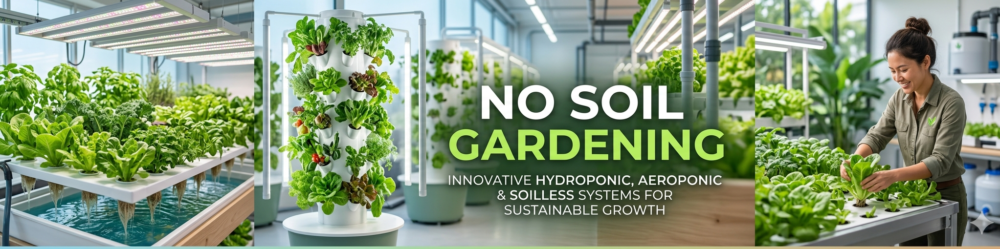
You can grow a full garden on your kitchen counter. In a closet. In a spare bedroom. No dirt. No weeds. No guessing.
That’s hydroponics: growing plants in nutrient-rich water instead of soil. The roots get fed directly, so plants grow faster and produce more food.
For hobbyists, this means less mess, less space, and way less frustration. No pests. No weather problems. No weekends lost to weeding.
The Big Benefits for Hobbyists
Space efficiency. Roots don’t need to spread wide hunting for food. So you can pack plants closer together. Perfect for apartments and small spaces.
Water savings. You’ll use about 90% less water than a traditional garden. The water stays in the system instead of evaporating or soaking into the ground.
Zero weeds. No soil means no weed seeds waiting to hijack your garden. It’s cleaner and simpler.
Is Hydroponics Easy? Honest Expectations
Yes, but it needs a different kind of attention.
Think of it like keeping a fish tank versus a cat. A cat (soil garden) forgives you if you skip a day. A fish tank (hydroponics) needs a stable environment. But once you learn the basics, most people find it easier because the variables are controlled. No sudden frost. No swarm of locusts.
According to the Ohio State University Extension, basic systems are very beginner-friendly. You don’t need a chemistry degree. Most hobbyists start with pre-mixed nutrient solutions and do just fine.
The Three Things Every Setup Needs
1. Light
Plants need light for photosynthesis. A sunny south-facing window works for basic herbs. For everything else, use LED grow lights. They’re energy-efficient and stay cool. Aim for 12 to 16 hours of light per day for leafy greens.
2. Water and Nutrients
In a regular garden, soil holds minerals that plants eat. Here, you mix those minerals straight into the water. Buy liquid or powdered nutrients made for hydroponic systems. Keep an eye on pH levels: if the water is too acidic or too alkaline, your plants can’t absorb nutrients.
3. Oxygen
This surprises most beginners. Roots in water still need to breathe. Stagnant water causes root rot. Most systems use an air pump (like in an aquarium) to bubble oxygen into the water. Some leave an air gap between the plant and the water surface.
Two Easy Systems to Start With
The Kratky Method
The simplest option. Fill a container with nutrient water. Place your plant in a net pot on top. As the plant drinks, the water level drops and creates an air gap for the roots. No electricity. No pumps. Perfect for a single head of lettuce or a basil plant.
Deep Water Culture (DWC)
One step up. Use a 5-gallon bucket filled with water and nutrients. An air stone at the bottom bubbles oxygen constantly. Plants sit in net pots in the lid with roots dangling into the nutrient solution. Very effective. Very easy to maintain.
Best Plants for Your First Harvest
- Lettuce: Grows fast, loves water, doesn’t need intense light
- Basil: Thrives in warmth with constant nutrient access. You’ll have more pesto than you can eat
- Mint: Grows so well it can take over your whole setup
- Spinach: Another great leafy green that likes cooler water
Skip fruiting plants like tomatoes or peppers on your first try. They need more light, more space, and more specific nutrient timing. Start with greens.
Your Next Step
Pick one system. The Kratky method is the easiest. Grab a container, some seeds, and a bottle of liquid nutrients. You can be harvesting fresh greens within weeks.
Every expert started where you are right now. A wilted plant teaches you more than any guide ever will. Start small, learn fast, and grow from there.
More great info @ our other Blog